Table of contents
Skin care has never been louder, and yet some of its most effective gains still happen quietly, away from dramatic “before and after” reels. As consumers cycle through actives, devices, and new clinic menus, dermatologists and facial therapists keep pointing to a steadier truth: the face often responds best to consistency, intelligent touch, and plans built around real skin behavior, not trends. Tailored facial care sits at that intersection, where barrier science meets technique, and where the benefits can be subtle at first, then surprisingly durable.
Why “tailored” beats one-size-fits-all
What does your skin actually need today? That question sounds simple, but it is the dividing line between a routine that stabilizes and one that irritates, because skin is not a static surface, it is a living organ shaped by hormones, stress, climate, medications, shaving habits, and even how well you slept this week. Dermatologists regularly highlight this variability, and major clinical guidance has long insisted that treatment choice depends on skin type and tolerance, particularly when common active ingredients, such as retinoids or alpha hydroxy acids, can improve texture yet also provoke dryness, peeling, and stinging in sensitive users.
At the population level, the numbers explain why personalization matters. The American Academy of Dermatology notes that acne is the most common skin condition in the United States, affecting up to 50 million people each year, and the triggers and presentations differ widely, from hormonal breakouts to comedonal congestion or inflammatory flares. Meanwhile, eczema is also widespread, and the National Eczema Association estimates it affects more than 31 million Americans, often alongside barrier fragility and heightened reactivity. Put those realities together and the argument for standardized “hero” routines collapses quickly, because what calms an oily, resilient complexion can overwhelm skin that is dry, rosacea-prone, or post-procedure.
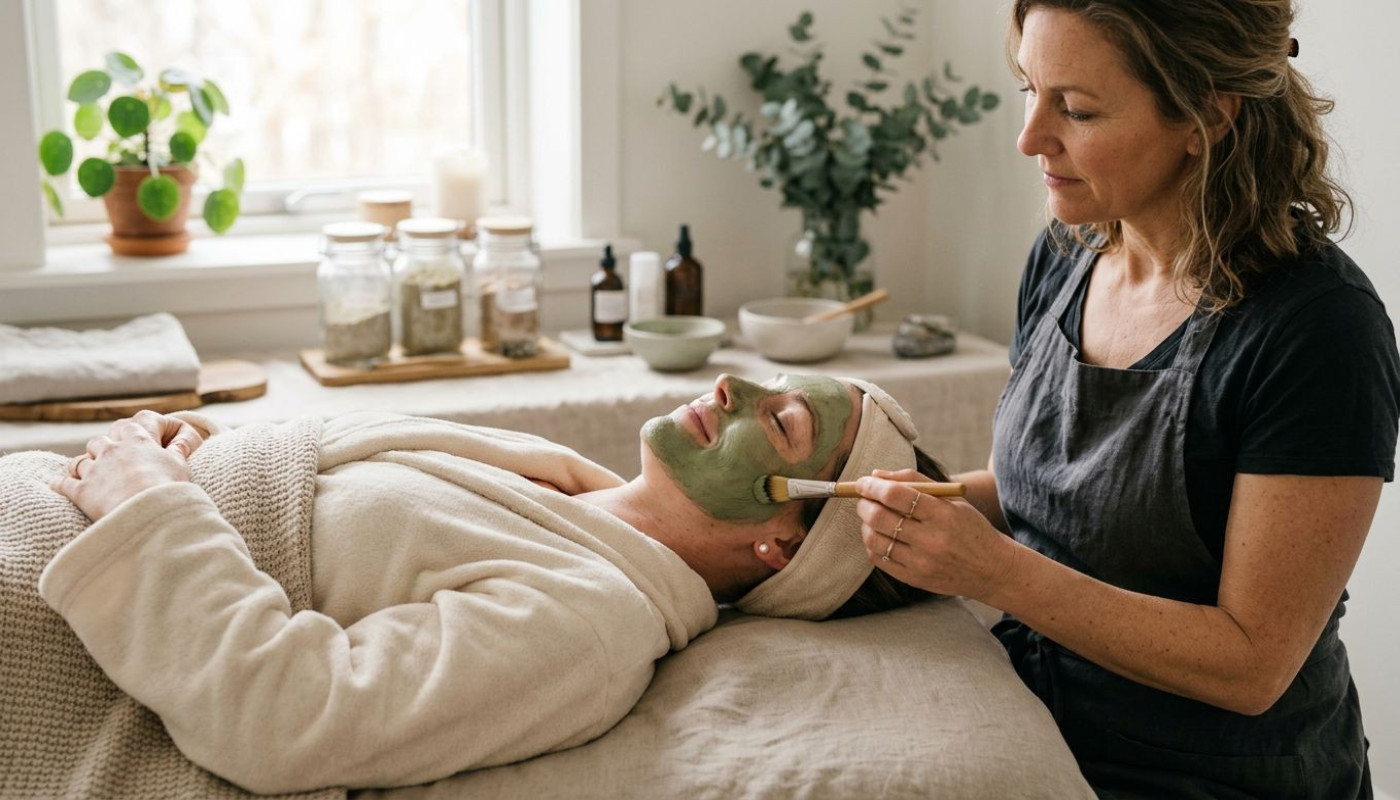
Tailored facial care starts with assessment and ends with restraint. In practice, that may mean fewer actives, slower introductions, and a stronger emphasis on cleansing, moisturizing, and daily photoprotection, steps that dermatology associations repeatedly put at the center of evidence-based care. It also means that hands-on techniques, when adapted to tissue quality and inflammation levels, can complement a plan rather than compete with it, especially when the goal is less about instant glow and more about long-term comfort, even tone, and a calmer surface that tolerates treatment better over time.
Massage, circulation, and the “de-puff” effect
Everyone wants the lifted look, but what is actually happening? Facial massage is often framed as a beauty ritual, yet several of its most noticeable benefits are rooted in basic physiology: moving fluid, warming tissue, and supporting microcirculation. Research has explored these mechanisms, and a small clinical study published in 2018 reported that facial massage increased facial blood flow, an effect that can translate into temporary plumping and a healthier color, particularly on dull, tired skin. The same category of techniques is also widely used to address puffiness, because gentle, directional movements can help shift stagnant fluid in tissues that naturally swell, especially around the eyes and jawline.
The “silent” part is that these effects can be incremental, then cumulative. Puffiness may drop within a session, while tone and texture changes often show up later, because reduced swelling can make contours read sharper and skin look smoother in photos without any dramatic intervention. Some practitioners also emphasize that touch can downshift stress responses, and while the skin-mind connection is complex, it is well documented that stress can worsen inflammatory conditions and impair barrier function; in that context, a relaxing protocol is not just indulgence, it can be a supportive factor in a broader plan.
Technique, however, is not a free-for-all. A tailored approach matters because aggressive rubbing, excessive pressure, or too much friction can backfire on reactive skin, potentially aggravating redness or compromising the barrier, particularly when exfoliants, retinoids, or recent sun exposure have already increased sensitivity. The most responsible facial care adapts intensity, uses slip wisely, and times massage around other treatments, which is why consumers who want structured guidance often look at dedicated facial massage offerings, including those outlined on maison-ysae.com, where the emphasis is on technique rather than quick hacks.
When barrier repair quietly changes everything
The biggest upgrade is often invisible at first. Ask clinicians what makes a routine “work,” and many will point to barrier health, because a stable barrier reduces transepidermal water loss, keeps irritants out, and improves tolerance to targeted treatments. It is also why moisturizers are not merely cosmetic, they are functional, and why ingredients that support the stratum corneum, such as ceramides, glycerin, and petrolatum, are frequently recommended in dermatology guidance for dry or eczema-prone skin. When the barrier improves, the skin may look less shiny from compensatory oil, less flaky under makeup, and less reactive to weather swings, yet those gains arrive quietly and feel, to the user, like “my skin just behaves better now.”
Tailored facial care can reinforce that trajectory. In a session designed around barrier repair, the cleansing phase may be less stripping, the temperature of towels may be carefully controlled, and exfoliation may be minimized or skipped entirely, because an irritated barrier does not benefit from being “scrubbed clean.” Instead, the work shifts to hydration, occlusion, and calming inflammation, and the massage component, if included, is adjusted to avoid provoking flushing. This is especially relevant for people who move between climates, commute in polluted air, or exercise outdoors, conditions that can increase exposure to irritants and UV, and make even normally resilient skin behave unpredictably.
There is also a long-game advantage: barrier-first strategies can reduce the cycle of overcorrection. When consumers feel roughness or congestion, they often reach for more acids, stronger cleansers, or higher retinoid doses, then experience burning and peeling, and finally “reset” with heavy creams, repeating the loop. Tailored care interrupts that pattern by stabilizing first, then introducing change in measured steps, which is consistent with how dermatologists advise patients to start potent actives gradually, watch for irritation, and pair them with moisturization and sunscreen.
What to ask before booking a session
Good facial care starts with good questions. Before you commit to any protocol, ask what the session is trying to achieve: glow for an event, ongoing congestion control, redness reduction, or barrier repair, because the method and product choices should differ. Then ask about contraindications, including recent peels, isotretinoin history, active dermatitis, cold sores, or recent injectables, and request a clear plan for how massage pressure, exfoliation, and extractions will be adapted, rather than assumed. A professional should also be comfortable discussing the limits of a session, since no responsible practitioner promises to “fix” rosacea, hyperpigmentation, or cystic acne overnight.
It also pays to bring context. If you are using retinoids, benzoyl peroxide, or prescription topicals, share that information, and mention any reactions you have had, because it changes what is safe on the day. If you are pregnant, breastfeeding, or have allergies, ask specifically about ingredient lists and fragrances. Finally, check the aftercare: the best sessions come with practical guidance, such as avoiding strong actives for 24 to 48 hours if skin feels sensitized, prioritizing gentle cleansing and moisturization, and applying broad-spectrum sunscreen daily, a standard recommendation echoed across dermatology organizations because UV exposure remains a major driver of premature aging and pigmentation issues.
The silent benefit here is confidence. When clients understand what is happening and why, they stop chasing novelty and start tracking outcomes, such as fewer flare-ups, less tightness after cleansing, makeup sitting better, or mornings with less swelling around the eyes. In a market crowded with instant promises, that kind of clarity is the real upgrade, and it is exactly what tailored facial care is meant to deliver.
Practical pointers before your next appointment
Book early if you need a date near an event, and plan your budget around regular sessions rather than a single splurge, because consistency usually drives the best results. Ask about package rates and cancellation rules, and if you are managing a medical skin condition, check whether your insurance or flexible spending accounts can support any part of the care; policies vary widely, but it is worth verifying.
Similar

The rise of telemedicine in the post-pandemic era understanding its benefits and limitations

Exploring The Benefits Of Using Nail Wraps For Quick Manicures

What are the effects of SPA on the body?

What are the factors that determine the optimization time of a website?
